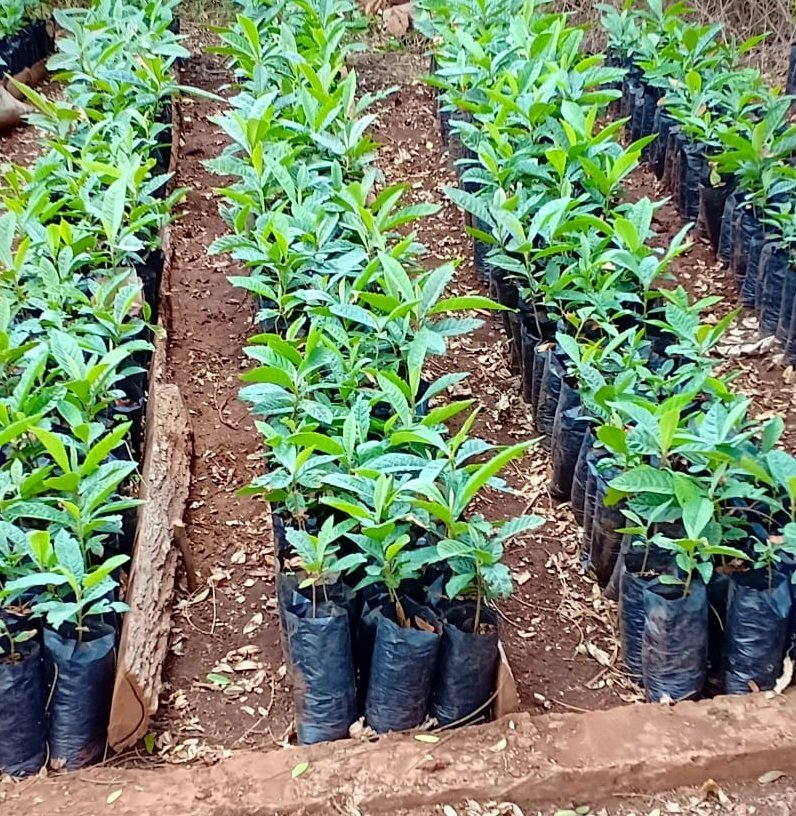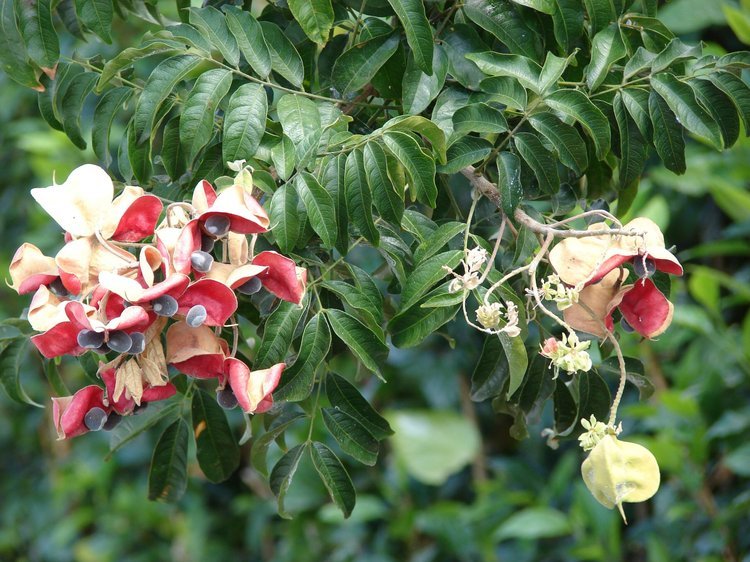
Indigenous Trees: Kenya’s Natural Climate Defenders.
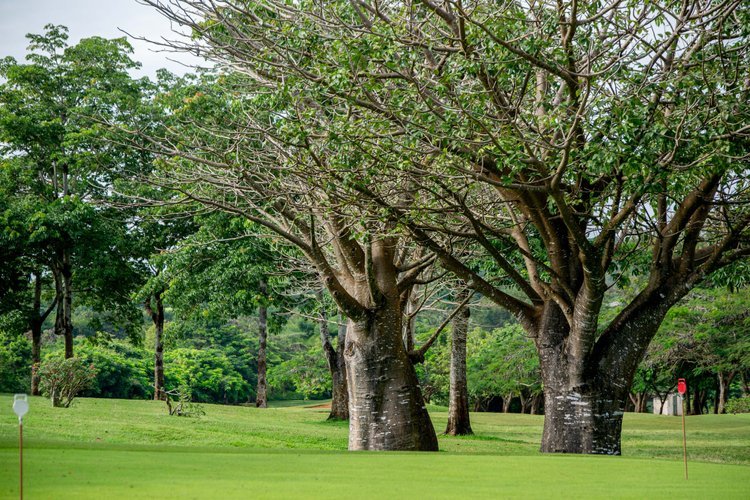
In Kenya’s journey toward climate resilience, trees stand as our first line of defense. Yet, the real heroes of this story are not just any trees, they are our indigenous species, the ones that have quietly sustained life for centuries.
Indigenous trees such as Prunus africana, Croton megalocarpus, and Markhamia lutea are deeply rooted in our soils and culture. Unlike exotic trees that often consume excessive water or alter soil composition, indigenous trees protect rivers, recharge aquifers, and provide habitats for countless species.
Their roots hold the soil together, reducing erosion, while their canopies cool the air and nurture biodiversity.In counties like Bungoma, Trans-Nzoia, West Pokot, and Turkana, where the effects of deforestation and climate change are becoming more visible, restoring indigenous forests is more than an environmental act, it’s an act of survival.
Replanting native species near springs, riverbanks, and degraded lands can help bring back lost water sources and restore balance to fragile ecosystems.
At Climate Action Initiative (CAI), we continue to raise awareness on the importance of planting the right trees in the right places. Our programs encourage communities, especially women and youth, to embrace local knowledge, protect natural habitats, and take an active role in environmental restoration.
Each seedling of an indigenous tree is a promise, a promise of cleaner air, flowing rivers, and a greener tomorrow. “When we plant indigenous trees, we don’t just restore the land, we restore life.”
#IndegenousTrees